The Ultimate Free Guide to Wax Sealing: Tools, Techniques, and Pro Tips
Jump to Section
In an age dominated by instant messaging and digital pings, the tactile beauty of a wax-sealed letter stands out as a symbol of care, privacy, and tradition. Once used by royalty and high-ranking officials to guarantee the authenticity of a document, wax seals are now a favorite tool for pen pals, wedding planners, and stationery enthusiasts worldwide.
Whether you are sending your first letter or looking to refine your technique, this guide will walk you through everything you need to know about the art of wax sealing.
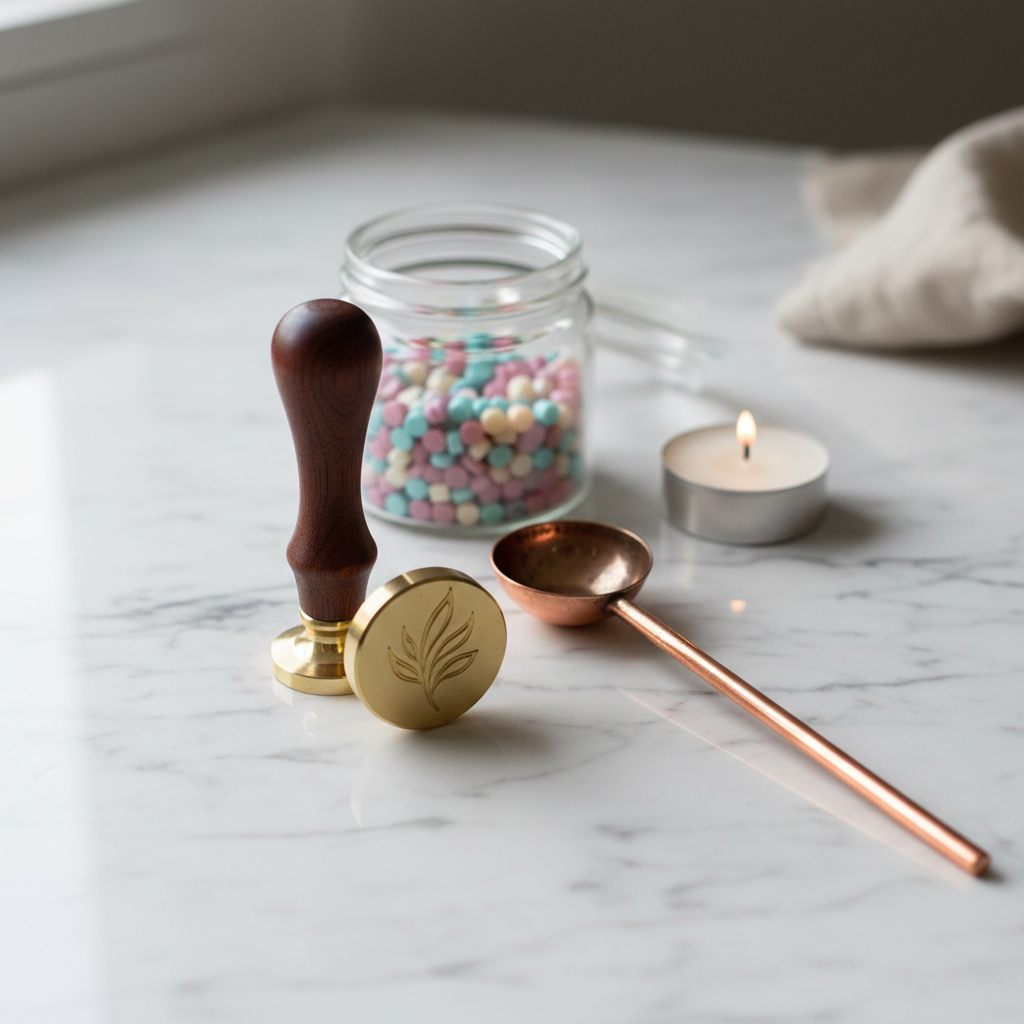
Essential Tools for Wax Sealing
Before you begin, you need to gather the right equipment. While it might look complex, you only need four basic items to get started:
- The Wax Seal Stamp: Usually made of solid brass with a wooden or metal handle. The design is engraved in reverse so it appears correctly when pressed into the wax.
- Sealing Wax: Available in beads, sticks with wicks, or sticks for glue guns. Modern wax is more flexible than the brittle wax used in the 18th century.
- Melting Spoon: A small metal spoon used to hold the wax beads over a flame.
- Heat Source: Usually a simple tea light candle. Some enthusiasts use a "melting furnace" (a small wooden tripod) to hold the spoon steady over the flame.
Choosing the Right Type of Wax
Not all wax is created equal. Your choice depends on how you plan to send your mail:
Traditional Brittle Wax: This is the historical standard. It snaps when the letter is opened. While beautiful, it is not recommended for modern mailing machines, as it will likely shatter in transit.
Flexible Sealing Wax: This is the modern standard. It contains a resin that allows the seal to bend without breaking. This is the only type you should use if you are mailing letters through a post office.
Wax Beads vs. Sticks: Beads allow you to mix colors easily (e.g., mixing two gold beads with one marble bead). Sticks are convenient if you are doing a large batch of 50+ invitations, as they can be used with a low-temperature glue gun.
Step-by-Step Guide to the Perfect Seal
- Melt the Wax: Place 3-4 wax beads into your spoon and hold it about an inch above the candle flame. Do not let the wax come to a boil; if you see bubbles, pull it away from the heat.
- Pour: Slowly pour the melted wax onto your envelope. Aim for a circle slightly smaller than your stamp.
- Wait: Let the wax sit for about 10-15 seconds before pressing the stamp. This allows the wax to thicken slightly, preventing the stamp from sinking too deep.
- Press: Place your stamp firmly into the center of the wax. Do not push too hard; let the weight of the brass do most of the work.
- Cool and Release: Wait at least 30 seconds. If the stamp feels "stuck," it is still too hot. Once the brass is cool to the touch, gently wiggle it and lift.
Pro Tips for Advanced Results
Once you've mastered the basics, try these "pro" techniques to elevate your snail mail:
- The Ice Pack Trick: If you are making multiple seals, place your brass stamp on an ice pack between uses. A cold stamp sets the wax instantly and prevents sticking.
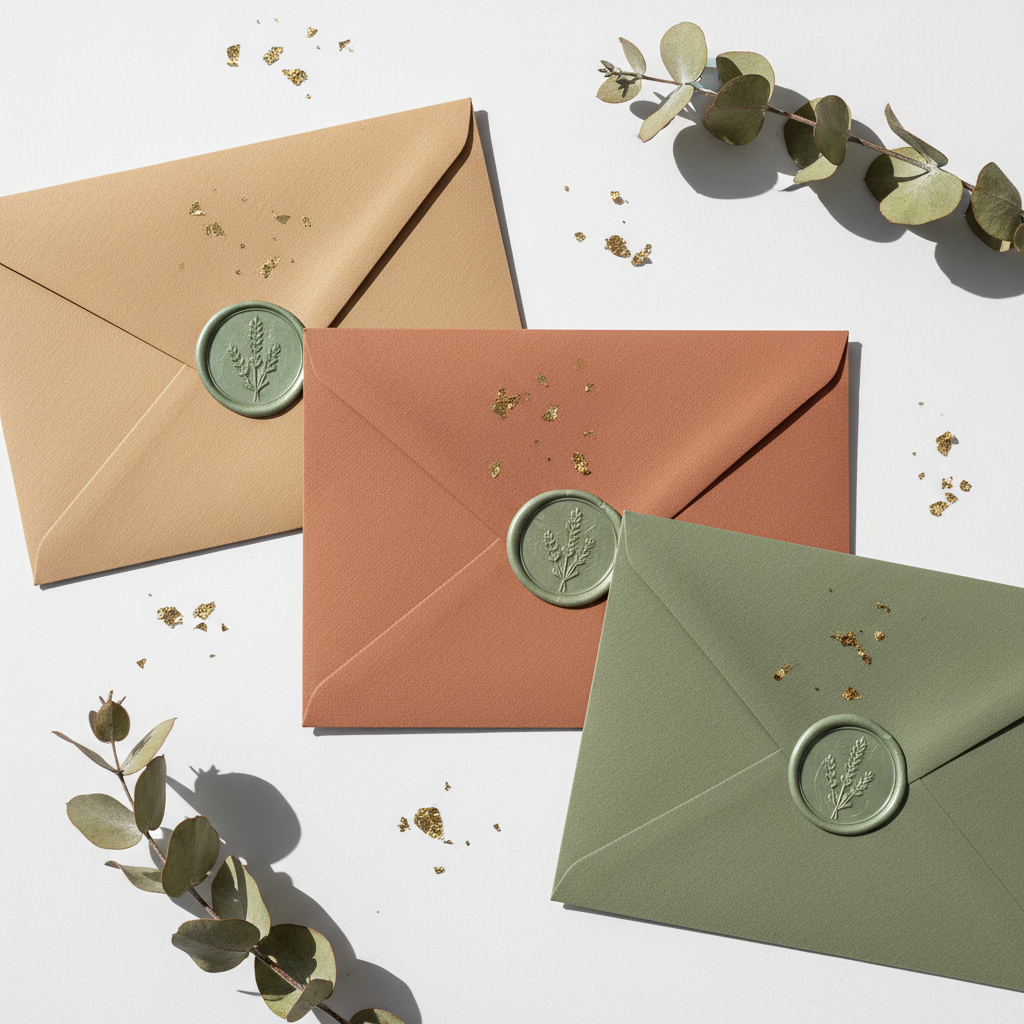
- Highlighting: Use a metallic ink marker (gold or silver) to gently rub over the raised parts of the finished seal. This makes the design "pop" against the wax color.
- Botanical Inclusions: Place a small dried petal or a leaf on the poured wax before you press the stamp down for a beautiful organic look.
- Marble Effects: Melt two different colored beads in the spoon but do not stir them. Pour them out together for a swirled, marbled finish.
Troubleshooting Common Mistakes
The wax is too thin and runny: You are likely overheating it. Pull the spoon away from the candle earlier.
The stamp is stuck: Never pull hard! You might tear the paper. Simply let it sit for another minute until the brass cools completely, and it should pop right off.
Air bubbles in the seal: This happens when the wax boils. Use a toothpick to stir the wax in the spoon to release bubbles before pouring.
Mailing and Postal Safety
The biggest fear for many snail mailers is that their beautiful seal will be destroyed by the post office. Here is how to ensure it arrives safely:
1. Use an Outer Envelope: The safest way to send a wax seal is to put the sealed envelope inside a slightly larger, standard envelope. This protects the seal from the "sorting claws" of postal machines.
2. Hand Canceling: You can take your letter to the post office counter and ask for "Hand Canceling." This means a human will stamp it rather than a machine. There is often a small fee (non-machinable surcharge) for this service.
Frequently Asked Questions
For a standard 1-inch (25mm) stamp, you typically need 3 wax beads. If you want a thicker, "squishier" border, use 4.
No. Candle wax is designed to be consumed by a flame and is very oily and brittle. It will not stick to paper properly and will likely crack and fall off immediately.
While the spoon is still warm, wipe the inside with a paper towel. Be careful, the metal will be hot! Most enthusiasts just leave the leftover wax in the spoon for the next session if they use similar colors.
It can be very affordable. A basic kit with a stamp, beads, and a spoon can be found for under $20, and that will last for dozens of letters.