I may earn a commission at no extra cost to you. #ad
Free Guide: How to Launch Your Own Subscription-Style Snail Mail Club
Jump to Section
In an age of instant notifications and fleeting digital interactions, the tactile joy of receiving a physical letter is more valuable than ever. Snail mail isn't just a hobby; it’s a movement. If you’ve ever dreamed of curating beautiful experiences for others and building a community through the mailbox, launching a subscription-style snail mail club is a rewarding creative venture. This guide will walk you through everything from the initial spark of an idea to shipping your first batch of "happy mail."
1. Defining Your Club Concept
The most successful subscription clubs have a clear "vibe" or niche. Before you buy a single stamp, you need to decide what your members are signing up for. Are you sending vintage-inspired ephemera? Modern, minimalist stationery? Or perhaps a "mystery penpal" kit that includes writing prompts and tea bags?
Consider these popular niches:
- Vintage Collector: Old postcards, used stamps, and aged paper.
- Creative Planner: Stickers, washi tape, and decorative borders.
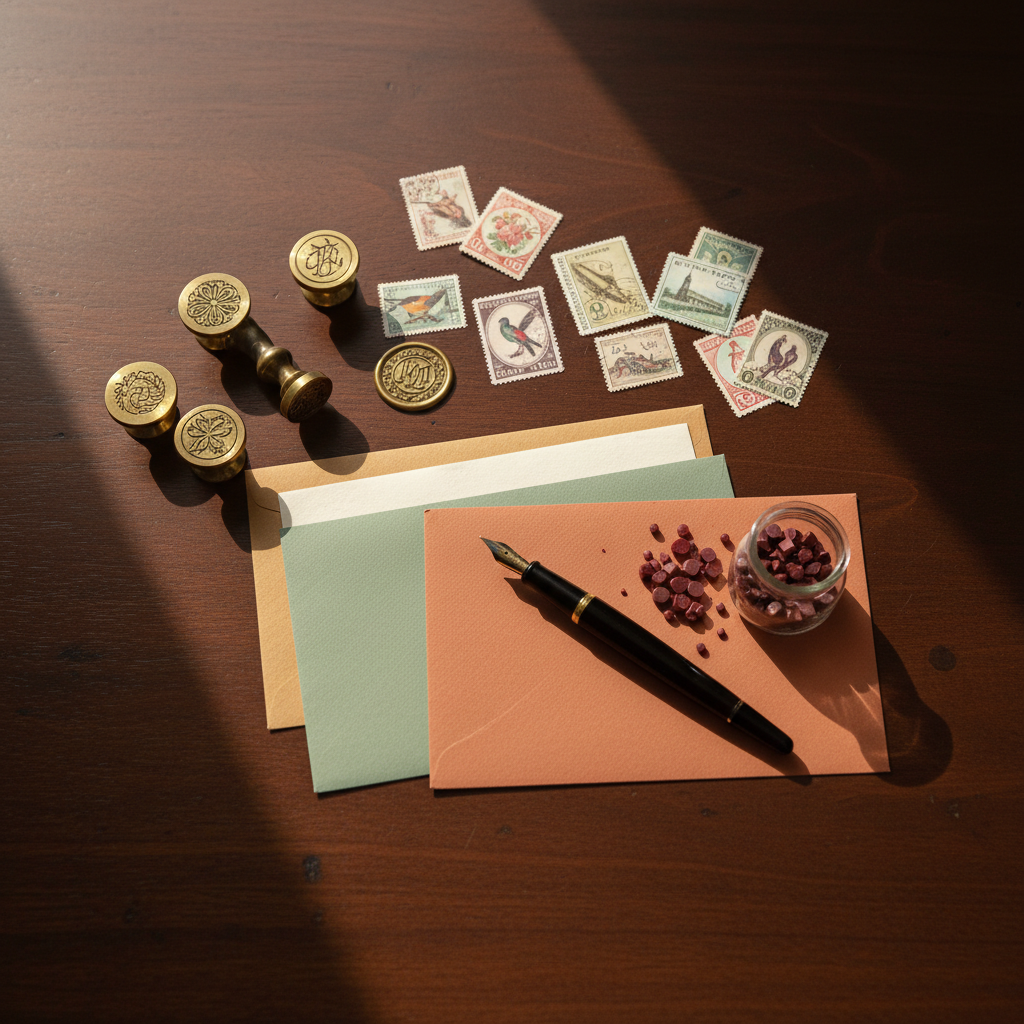
- The Letter Writer: High-quality writing paper, envelopes, and wax seal accessories.
- The Theme Club: Each month features a different theme (e.g., "Botanical July" or "Celestial December").
Having a specific focus makes it easier to market your club and ensures your subscribers know exactly what to look forward to every month.
2. Sourcing Unique Stationery & Supplies
Your club’s value lies in your ability to source things that individuals can’t easily find on their own. If you simply buy items from a local big-box store, subscribers will feel they could have made the kit themselves. You want to provide a curated experience.
Look for suppliers in these areas:
- Etsy Wholesale: Many independent artists offer wholesale pricing if you buy in bulk. This supports small creators and gives your club an "indie" feel.
- Estate Sales and Antique Malls: These are gold mines for vintage stamps (which can still be used for postage if they are unused!) and unique ephemera.
- Alibaba or AliExpress: For items like washi tape or basic envelopes, buying in high volume from overseas can significantly lower your costs.
- Local Print Shops: If you design your own stationery, building a relationship with a local printer can ensure high-quality cardstock and unique finishes.
3. Pricing and Financial Logistics
Pricing is often the hardest part of launching a mail club. You must account for the "COGS" (Cost of Goods Sold), shipping, packaging, and your time. A common mistake is forgetting that shipping rates often increase annually.
A simple formula to start: (Material Cost + Packaging Cost + Shipping Cost) x 1.5 + Platform Fees.
For example, if your materials cost $5, packaging is $1, and shipping is $2, your base cost is $8. Multiplying by 1.5 gives you $12. This extra $4 covers your labor and profit. Most hobbyist snail mail clubs range from $10 to $25 per month depending on the volume of items included.
4. The Art of Curation and Packaging
In the world of subscription boxes, the "unboxing experience" is everything. For snail mail, this is the "un-enveloping" experience. How the items are arranged inside the envelope matters just as much as the items themselves.
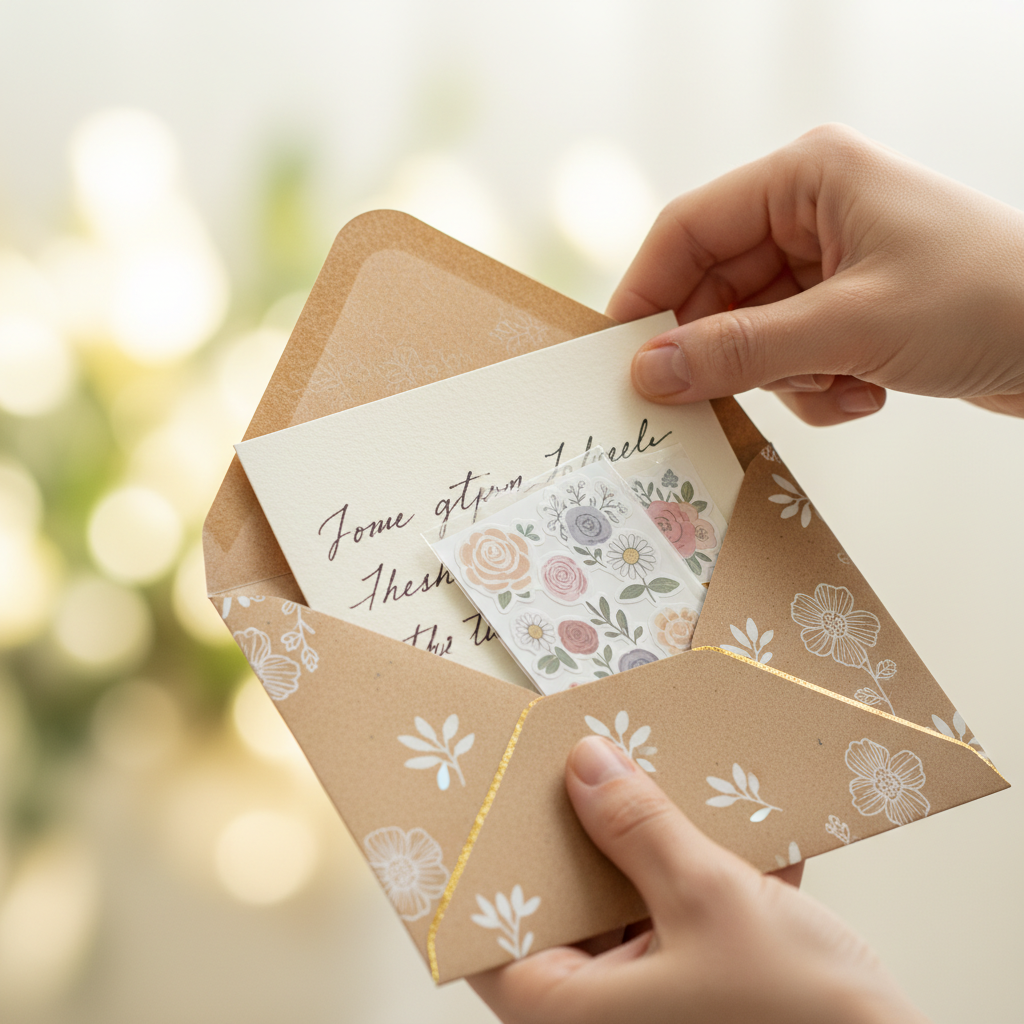
Consider using glassine bags to separate small items like stamps or stickers. Use a consistent color palette for your tissue paper or twine. Including a handwritten note or a printed "curation card" explaining why you chose this month’s items adds a personal touch that builds long-term loyalty.
5. Marketing and Finding Your First Members
You don't need a massive marketing budget to launch. The snail mail community is highly active on visual platforms. Start an Instagram or TikTok account specifically for your club. Post "Process" videos: show yourself sourcing vintage papers, pouring wax seals, or stuffing envelopes.
Use hashtags like #SnailMailRevolution, #PenpalWanted, and #StationeryAddict. Another great strategy is to send a few "founder kits" to influencers in the penpal space in exchange for an honest review or unboxing video. Word of mouth is the strongest currency in the mail-loving community.
Frequently Asked Questions
You can start with as few as 5 or 10 members. In fact, starting small allows you to perfect your packaging and shipping workflow before you have to manage a large volume of mail.
Platforms like Patreon, Ko-fi, or Substack are excellent for recurring monthly "memberships." They handle the billing and give you a simple list of your active subscribers' addresses.
Yes, but be aware of the "Global Forever" stamp prices (in the US) or your country's international equivalents. International shipping can be expensive, so many clubs charge a small "out-of-country" surcharge.