Free Guide: How to Participate in Global Postcard Swapping Networks
Jump to Section
In an era dominated by instant messaging and ephemeral social media posts, the allure of a physical, hand-written postcard remains stronger than ever. Postcard swapping is a global phenomenon that allows individuals to connect with strangers across borders, exchange cultural insights, and build impressive collections of miniature art. This guide will walk you through everything you need to know to become a part of this vibrant, international community.
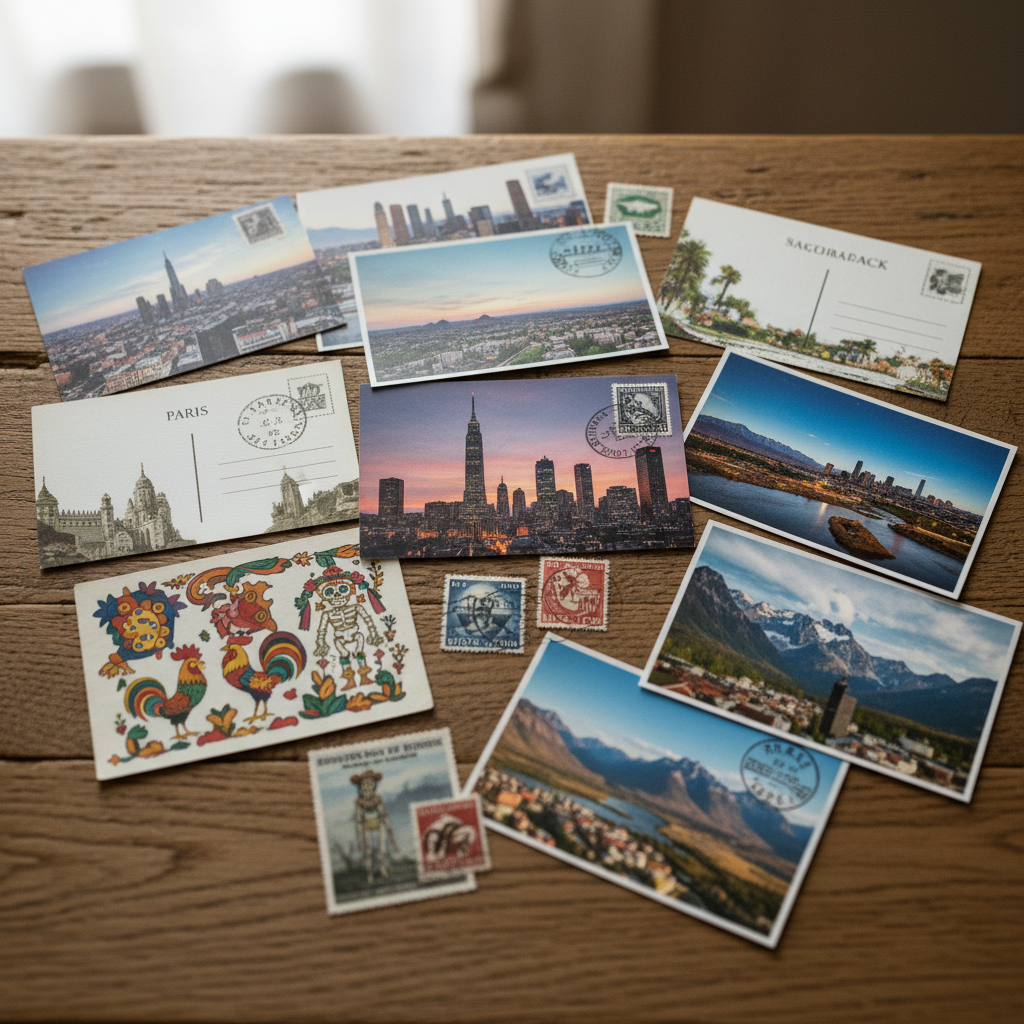
Understanding the World of Postcard Swapping
Postcard swapping is more than just sending mail; it is a "random acts of kindness" hobby. The premise is simple: you send a postcard to a member somewhere in the world, and in return, you eventually receive one from a different member. This cyclical nature ensures that everyone’s mailbox stays full of surprises.
Most participants enjoy the hobby for the cultural exchange. You might receive a card from a small village in Finland one day and a bustling metropolis in Japan the next. It provides a unique window into the daily lives, hobbies, and environments of people you would otherwise never meet.
Top Platforms to Join Today
While you can swap postcards informally, joining a dedicated network provides structure and safety. Here are the most popular options:
- Postcrossing: The undisputed giant of the hobby. It uses a centralized system where you request an address, send a card, and once it's registered by the recipient, your address is given to another random member.
- Swap-bot: A more diverse platform where you can join "swaps" for specific themes, such as "Handmade Postcards" or "Vintage Tourist Cards."
- Instagram & Facebook: Using hashtags like #PostcardSwap or joining dedicated groups allows for "direct swaps" where you agree on an exchange with a specific person.
- Official Postcard Clubs: Many countries have national clubs that focus on the history and philately (stamp collecting) aspects of postcards.
Getting Started: Your First Swap
To begin, create a profile on a platform like Postcrossing. Your profile is your introduction to the community. Mention your interests (e.g., "I love architecture," "I collect cards with cats," or "I'm a teacher in Brazil"). This helps senders choose a card that you will truly appreciate.
When you request your first address, the system will provide a Postcard ID. This unique code is the most important part of the swap. You must write it clearly on the card so the recipient can register it, notifying the system that the card arrived safely.
Postcard Etiquette and Best Practices
Good etiquette ensures a positive experience for everyone involved. Follow these golden rules:
- Read the Profile: If a user mentions they dislike "advertising" postcards (free cards from bars or cinemas), try to send a "view" card or art card instead.
- Write More Than Just 'Hello': Share a small anecdote about your day, a local tradition, or the weather. A filled-out card is much more cherished than one with just a signature.
- Legible Handwriting: Ensure the address and Postcard ID are clearly written. If your handwriting is messy, consider using printed labels for the address.
- Protect the Card: If you are sending a particularly fragile or expensive card, some swappers prefer it sent in an envelope, though many purists love the "naked" postcard look with all its postmarks.

Postage, Logistics, and Costs
Before diving in, check the international postage rates at your local post office. Sending mail across borders can be more expensive than domestic mail. Many countries offer "International Forever" stamps or specific postcard-rate stamps that can save you money.
Travel Time: Be patient. International mail can take anywhere from 7 days to 8 weeks depending on the destination and the efficiency of global postal services. Don't worry if your card hasn't arrived in a week—it's often just enjoying a scenic route!
Creative Ideas to Make Your Mail Stand Out
The best postcards are the ones that show a little extra effort. Consider these ideas:
- Stamp Selection: Use multiple smaller-denomination stamps to cover the card in beautiful imagery rather than one single large stamp.
- Washi Tape & Stickers: Use decorative tape to divide the message and address sections.
- Rubber Stamps: Use "Air Mail" or "Par Avion" rubber stamps for a classic postal aesthetic.
- The 'Current Song' Trick: Mention what song you were listening to while writing the card. It’s a great way to share culture.
Staying Safe and Protecting Your Privacy
Safety is a common concern for newcomers. On platforms like Postcrossing, your address is only shown to one person at a time—the person assigned to send you a card. However, if you are uncomfortable sharing your home address, many swappers use a P.O. Box.
Avoid sharing sensitive personal information (like your phone number or financial details) on the card. Keep the conversation light and focused on the hobby and cultural exchange.
Frequently Asked Questions
Most platforms like Postcrossing are free to join. Your only costs are the postcards themselves and the postage stamps required to send them.
Lost mail is a reality of the hobby. Usually, if a card doesn't arrive after 60 days, it is considered "expired." Most systems are designed to account for this so your ability to receive mail isn't permanently affected.
Generally, yes. The joy for the recipient is receiving mail postmarked from your specific location. However, if you are traveling, many swappers love receiving cards sent from your vacation spots!
Yes, but it is highly recommended that children participate under the supervision of a parent or guardian, or use a school-based program.