Free Guide: How to Find and Join the Best Snail Mail Clubs for Pen Pals
In a world dominated by instant messaging, push notifications, and ephemeral digital chatter, the quiet, intentional act of writing a handwritten letter has become a powerful form of self-care. Snail mail offers a unique space to slow down, connect deeply, and enjoy tactile artistry through curated stamps, beautiful stationery, and thoughtful prose. However, finding reliable pen pals can often feel like searching for a needle in a haystack. This is where snail mail clubs step in.
Snail mail clubs act as centralized, structured communities that vet, organize, and match correspondence enthusiasts from around the world. Whether you are seeking artistic mail art exchanges, long-form conversationalists, or global cultural exchanges, joining a organized club is the safest and most efficient path to securing lifelong pen pals.
Why Join a Snail Mail Club?
If you've ever tried seeking pen pals through open social media hash-tags, you likely know the frustrations: unresponsive contacts, mismatched interests, and privacy concerns. Snail mail clubs address these exact issues by introducing structure, safety, and accountability into the letter-writing process.
When you join a club, you enter an ecosystem of individuals who have already demonstrated an active interest in the hobby. Many clubs offer verified directories, themed match-ups, and structural security. Instead of broadcasting your personal physical address to the open web, clubs utilize secure member databases, messaging systems, or structured sign-ups to ensure your address is only shared with verified, like-minded matches.
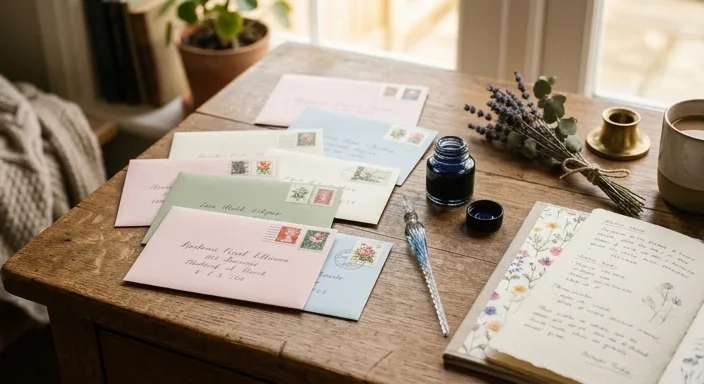
How to Find the Perfect Snail Mail Club
Not all clubs are created equal. To ensure your letter-writing journey is sustainable and satisfying, consider these essential variables when researching where to join:
- Thematic Focus: Do you prefer artistic "mail art," vintage stationery, postcard swapping, or standard long-form letter writing? Some clubs focus heavily on creative crafts, while others prioritize conversational matches.
- Global Reach vs. Local Focus: Decide if you want the excitement of international exchange (which requires higher postage costs and longer transit times) or the promptness of domestic pen pals.
- Age & Demographic Groups: Many clubs specialize in specific age brackets, LGBTQ+ communities, students, or regional clusters. Finding a community with shared life contexts can speed up meaningful connection.
- Membership Requirements: Vetted clubs sometimes charge a nominal fee or require a brief application to discourage spammers and casual users who won't follow through.
Top Types of Snail Mail Clubs and Directories
To narrow down your hunt, it helps to understand the main archetypes of pen pal networks operating online and offline today:
1. The Postcard Exchange Platforms
Perfect for beginners or those with limited time. These networks utilize automated algorithms to match you with users globally. You send a postcard to a randomly selected member, and once received, your address is put in the queue to receive one from someone else entirely. It's a low-commitment, highly rewarding entry point.
2. Curated Matchmaking Directories
These clubs require members to submit a detailed profile detailing hobbies, stationery styles, languages spoken, and pen pal preferences. Organizers manually pair you with an optimal match or allow you to securely browse a digital catalog of pen pals to request a connection.
3. Creative Mail Art Guilds
If you are passionate about calligraphy, paper-crafting, wax seals, and thematic layouts, creative mail art guilds are your haven. These communities focus heavily on visual storytelling and aesthetics, often running seasonal swaps centered around artistic prompts.
Step-by-Step: How to Join and Make a Great First Impression
Once you select a club that matches your style, follow this process to build lasting paper friendships:
- Craft an Engaging, Authentic Profile: If the club features a directory, treat your bio as your virtual introduction. Detail your true hobbies, favorite reading genres, music tastes, and what you hope to discuss in your letters. Be specific! Instead of "I like crafts," write "I love watercolor wash techniques and collecting botanical stickers."
- Invest in Basic Mailing Essentials: Before sending your first batch, stock up on quality pens, durable envelopes, and standard postage. Having your tools organized removes friction from the writing process.
- Compose an Inviting First Letter: Introduce yourself warmly without overwhelming the recipient. Share a little bit about your daily life, ask 3 to 4 open-ended questions about their world, and explicitly state what you enjoyed about their profile. Keep the tone friendly, polite, and curious.
Crucial Pen Pal & Snail Mail Etiquette
Snail mail relies entirely on mutual commitment. Keep these unwritten rules in mind to protect your reputation in the community:
- Consistency is Key: While the charm of snail mail lies in its slow pace, try not to let letters sit unanswered for more than 3 to 4 weeks. If life gets busy, send a quick postcard letting your pen pal know their letter arrived safely and you'll reply fully soon.
- Protect Your Privacy: Always use a pen name or a P.O. Box if you are uncomfortable sharing your home address online or with brand-new matches.
- Match Your Partner's Energy: Pay attention to the length and depth of your pen pal's letters. If they send a carefully decorated 4-page letter, try to match that level of care rather than returning a rushed, half-page note on lined notepad paper.
Frequently Asked Questions (FAQ)
A: Yes, structured clubs are significantly safer than public social media forums. Many filter spam through membership fees, applications, or secure internal messaging platforms. However, using a P.O. Box is always an excellent best practice for absolute physical privacy.
A: Many postcard exchange groups and grassroots directories are completely free. Premium curated directories or craft guilds may charge a modest fee (typically $5 to $15 annually) to cover website hosting, manual matching efforts, and directory security.
A: Start with a brief, friendly introduction about who you are, where you are writing from, and what drew you to their profile. Share a few personal interests, and close with curious, warm questions to give your pen pal an easy starting point for their reply.
A: "Ghosting" happens in the snail mail world too. If a couple of months pass without a reply, feel free to send a gentle follow-up postcard. If you still hear nothing, don't take it personally—lives get busy. Simply log back into your club and request a new match.