Free Guide: How to Choose the Perfect Letter-Writing Club: Reviews and Ratings
In a world defined by instant messaging and fleeting digital pings, the deliberate art of paper correspondence is undergoing a massive cultural renaissance. If you have ever felt the thrill of discovering a colorful envelope nestled amongst utility bills in your physical mailbox, you understand why thousands of people around the world are returning to snail mail. However, finding the right circle of pen friends can be challenging. This guide provides an in-depth blueprint on how to select, evaluate, and join a letter-writing club tailored perfectly to your lifestyle, aesthetics, and writing habits.
1. Understanding Your Pen Pal Preferences
Before jumping into directories or signing up for memberships, it is vital to reflect on what you actually want from a physical writing exchange. Different letter-writing networks cater to distinct audiences, hobbies, and pacing. Asking yourself a few foundational questions will save you time, postage, and creative energy down the road:
- How often do you want to write? Some clubs organize rigid monthly cycles, while others operate on a casual, self-paced swap format.
- Do you appreciate structured prompts? Certain creative groups provide thematic monthly prompts, stationery swap instructions, or artistic challenges, whereas general clubs leave the content entirely open.
- Are you seeking local or global horizons? Decide whether you want to practice a foreign language with overseas correspondents, or if you prefer domestic exchanges that minimize shipping times and postal costs.
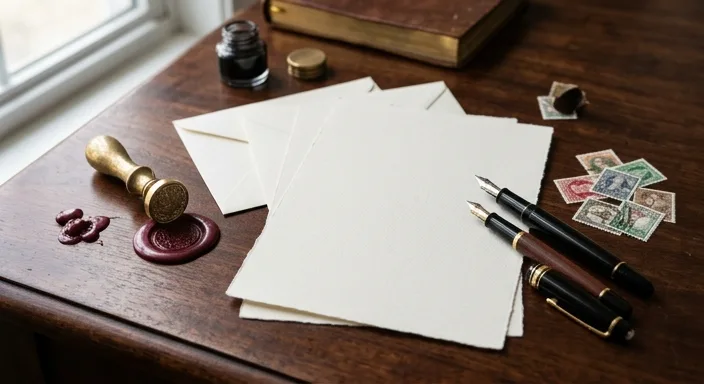
- What is your visual aesthetic? Are you passionate about pristine vintage calligraphy, botanical seal waxes, and hand-stamped cards, or do you prefer simple, long-form thoughts scribbled on plain notebook paper? Both approaches are highly valued but rarely cross paths harmoniously in the same specialized circles.
2. Key Evaluation Criteria for Snail Mail Networks
Not all correspondence networks are established equally. To keep your experience rewarding, safe, and highly structured, evaluate any potential letter-writing club through the following technical lenses:
Membership Fees vs. Directory Value
While many directory sites are free, others charge annual membership fees. Generally, clubs that request a nominal entry fee display much higher reply rates because the cost of entry filters out spam profiles and inactive accounts. Balance the cost against your budget, but realize that free, unmonitored bulletin boards often suffer from higher rates of abandoned exchanges.
Activity Ratios & Last-Active Indicators
Always inspect the frequency of updates on the club's platform. Does the system show when members last logged in or sent a postcard? Platforms that lack last-active indicators often pair you with users who signed up years ago and have long since abandoned the hobby, leaving you with unanswered letters and wasted postage.
Community Guidelines & Moderation
Strongly favor clubs with active administrative boards, clear rules regarding respectful correspondence, and straightforward reporting mechanisms. Clear guidelines protect participants from inappropriate content, commercial solicitation, and unwanted contact.
3. Reviews & Ratings of Popular Club Models
Understanding the architecture of popular club models will guide you to a group matches your energy. Below are reviews and ratings of the three principal club formats available in the community today:
Type A: The Automated Postcard Swap (Rating: 4.8/5)
These sites utilize systematic matchmaking engines. You request an address, mail a postcard, and once the recipient registers your postcard online, another random member somewhere on earth is assigned to mail one to you.
Pros: Phenomenal for busy lifestyles; low-friction; requires very little writing; highly secure due to automated monitoring.
Cons: Lacks depth. It is incredibly difficult to build intimate, lifelong friendships through single-use postcard swaps.
Type B: Paid Member Directories (Rating: 4.5/5)
Traditional pen pal registries with detailed, filtered search engines. Members pay a small fee to create profiles detailing their specific interests, age ranges, languages, and aesthetic styles.
Pros: Extremely detailed pairing potential; high-quality correspondents; low churn rates.
Cons: Upfront financial investment; requires manual outreach, which can occasionally lead to non-responses if a member's inbox is saturated.
Type C: Niche Artistic & Theme-Based Leagues (Rating: 4.2/5)
Clubs run entirely around a single aesthetic, identity, or interest, such as wax sealing, vintage typewriter enthusiasts, fountain pen connoisseurs, or tea lovers.
Pros: Incredibly high artistic output; wonderful sense of community and shared aesthetics.
Cons: Highly selective; requires consistent creative energy and financial investments in premium stationery or craft tools.
4. Safety and Privacy Considerations
Sharing physical addresses is an act of trust. While the classic postal community is historically warm and welcoming, smart security habits are essential when embarking on any pen pal journey. Keep these foundational safety standards in mind:
- Consider a Post Office Box: If you reside in an urban area or have concerns about sharing your physical home address, renting a P.O. Box or utilizing a local private mailbox service is the absolute gold standard of security.
- Screen Through Digital Platforms First: Use clubs that offer secure in-platform messaging. Chat digitally with your matched partner for a short period to confirm their vibe, boundaries, and responsiveness before swapping home addresses.
- Set Clear Boundaries early on: Clearly communicate what topics you are comfortable discussing. Healthy correspondence boundaries prevent misunderstandings and protect your peace of mind.
5. Essential Tips for Your First Mail Exchange
Once you select a club and get matched, your initial letter sets the tone for the entire exchange. Avoid standard writing traps by applying these practical tips to your first envelope:
Ask Open-Ended Questions: Frame your letter around topics that invite long answers. Ask about their local traditions, the layout of their favorite bookstore, or the best coffee shop in their neighborhood. This gives them a clear, stress-free prompt to work with in their reply.
Share Your Environment: Describe the sensory details of the room in which you are writing. Is it raining against your window? Are you sipping a specific loose-leaf tea? These intimate environmental snapshots are what make physical letters feel immensely special and grounding.
Include a Small, Flat Token: A decorated tea bag, some unused vintage postage stamps, or a sheet of colorful stickers adds a beautiful touch of creative whimsy without increasing the weight of your letter beyond the standard postal limit.
Frequently Asked Questions
Yes, they are highly safe if you join moderated networks and follow basic digital safety standards. For peace of mind, consider renting a P.O. Box so that you never have to give out your home address to new correspondents.
While some registries are entirely free, paid directories typically range from $10 to $30 per year. Beyond club memberships, your primary expenses will consist of stationery supplies, postage stamps, and envelope decorations.
Snail mail requires patience! Domestic letters typically see a turnaround of 2 to 3 weeks, while international correspondence can take anywhere from 4 to 8 weeks for a complete round-trip cycle.